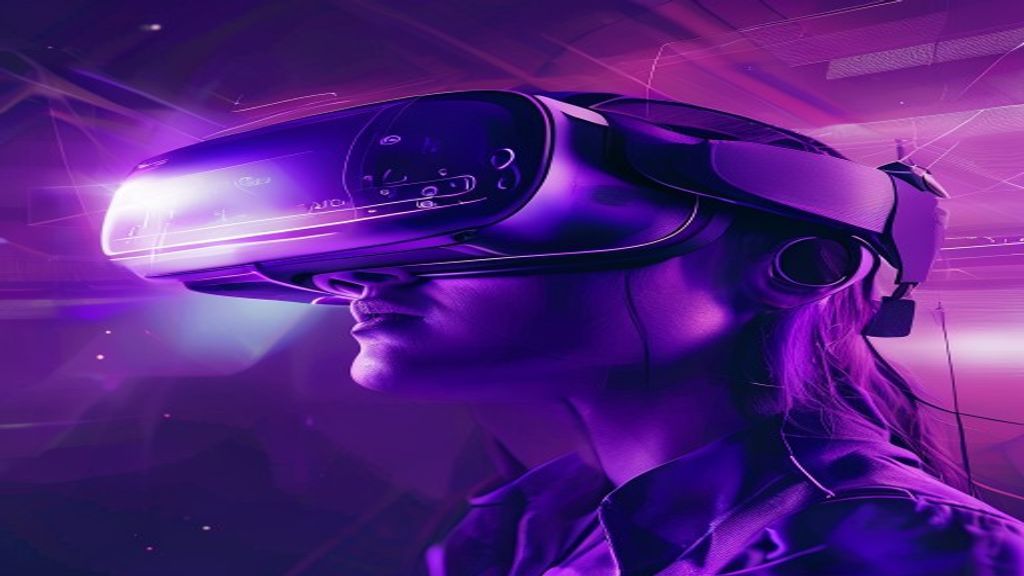
Revolutionizing Enterprise Training: The Power of VR and AR
Introduction to VR and AR in Enterprise Training
Virtual reality (VR) and augmented reality (AR) have been making waves in the entertainment industry for years, but their impact extends far beyond gaming and movies. In recent years, these technologies have been increasingly adopted in enterprise settings, particularly in training and development. By providing immersive and interactive learning experiences, VR and AR are revolutionizing the way employees learn and acquire new skills.
Benefits of VR and AR in Enterprise Training
So, what makes VR and AR so effective in enterprise training? Here are just a few benefits:
- Increased engagement: VR and AR experiences are inherently more engaging than traditional training methods, such as lectures or PowerPoint presentations. By immersing learners in a simulated environment, VR and AR can capture their attention and keep them motivated.
- Improved retention: Interactive and immersive learning experiences have been shown to improve knowledge retention and recall. When learners are actively participating in the learning process, they are more likely to remember what they've learned.
- Personalized learning: VR and AR can be tailored to individual learning styles and needs, providing a more personalized learning experience. This can be particularly beneficial for employees with different learning abilities or preferences.
- Cost-effective: While the initial investment in VR and AR technology may seem steep, it can ultimately save businesses money in the long run. By reducing the need for physical training equipment and travel, VR and AR can help minimize training costs.
Real-World Applications of VR and AR in Enterprise Training
So, how are businesses using VR and AR in their training programs? Here are a few examples:
- Soft skills training: VR and AR can be used to simulate real-world scenarios, such as customer interactions or team meetings, allowing employees to practice and develop essential soft skills, such as communication and teamwork.
- Technical skills training: VR and AR can provide hands-on training for technical skills, such as equipment operation or repair. By simulating real-world environments, learners can practice and develop their skills in a safe and controlled setting.
- Compliance training: VR and AR can be used to simulate compliance scenarios, such as safety protocols or regulatory procedures, ensuring that employees are aware of and adhere to critical compliance requirements.
- Leadership development: VR and AR can provide immersive and interactive leadership development experiences, allowing leaders to practice and develop essential skills, such as decision-making and strategic planning.
Case Study: OFO Development's VR Training Solution
OFO Development recently worked with a leading manufacturing company to develop a custom VR training solution. The solution simulated a real-world factory environment, allowing employees to practice and develop essential skills, such as equipment operation and maintenance. The results were impressive, with a significant reduction in training time and costs, as well as improved knowledge retention and recall.
Best Practices for Implementing VR and AR in Enterprise Training
So, how can businesses get started with VR and AR in their training programs? Here are a few best practices:
- Define clear learning objectives: Before implementing VR or AR, it's essential to define clear learning objectives and outcomes. This will help ensure that the technology is used effectively and efficiently.
- Choose the right technology: With so many VR and AR solutions available, it's essential to choose the right technology for your business needs. Consider factors such as cost, scalability, and ease of use.
- Develop engaging content: VR and AR experiences are only as effective as the content they deliver. Make sure to develop engaging and interactive content that captures learners' attention and keeps them motivated.
- Monitor and evaluate effectiveness: Finally, it's essential to monitor and evaluate the effectiveness of VR and AR in your training programs. This will help you identify areas for improvement and optimize your training strategies.
Conclusion
VR and AR are revolutionizing the way businesses approach training and development. By providing immersive and interactive learning experiences, these technologies can improve engagement, retention, and overall learning outcomes. Whether you're looking to develop soft skills, technical skills, or leadership abilities, VR and AR can help. With the help of OFO Development, you can create custom VR and AR solutions that meet your business needs and take your training programs to the next level. Contact us today to learn more about how VR and AR can transform your enterprise training.
Ready to Transform Your Business?
Let OFO Development bring your vision to life with cutting-edge software solutions.
Get a Free Consultation