
AI that survives contact with production
Most models work in a notebook and fail on real traffic. The work is the evaluation harness, the fallback for when inference is slow or wrong, and knowing which problems don't need a model at all.
What we actually build
Three things worth paying for, and the constraint each one runs into.
Machine Learning Models
The model is the easy half. The work is the labelled data you probably don't have yet, an evaluation set that reflects real traffic rather than a clean sample, and deciding what the system does with inputs it was never trained on.
- Predictive Analytics
- Classification & Clustering
- Recommendation Systems
Natural Language Processing
Extraction, classification and summarization over your own documents. Accuracy numbers from a vendor mean nothing against your data, so this starts with a measurement harness rather than a demo.
- Chatbots & Virtual Assistants
- Sentiment Analysis
- Text Summarization
Computer Vision
Detection and classification on images or video. In practice this is bounded by lighting, camera placement and edge-case coverage long before it is bounded by the model.
- Object Detection
- Facial Recognition
- Image Classification
Two we can describe
No client names and no invented numbers — just what each system had to do.
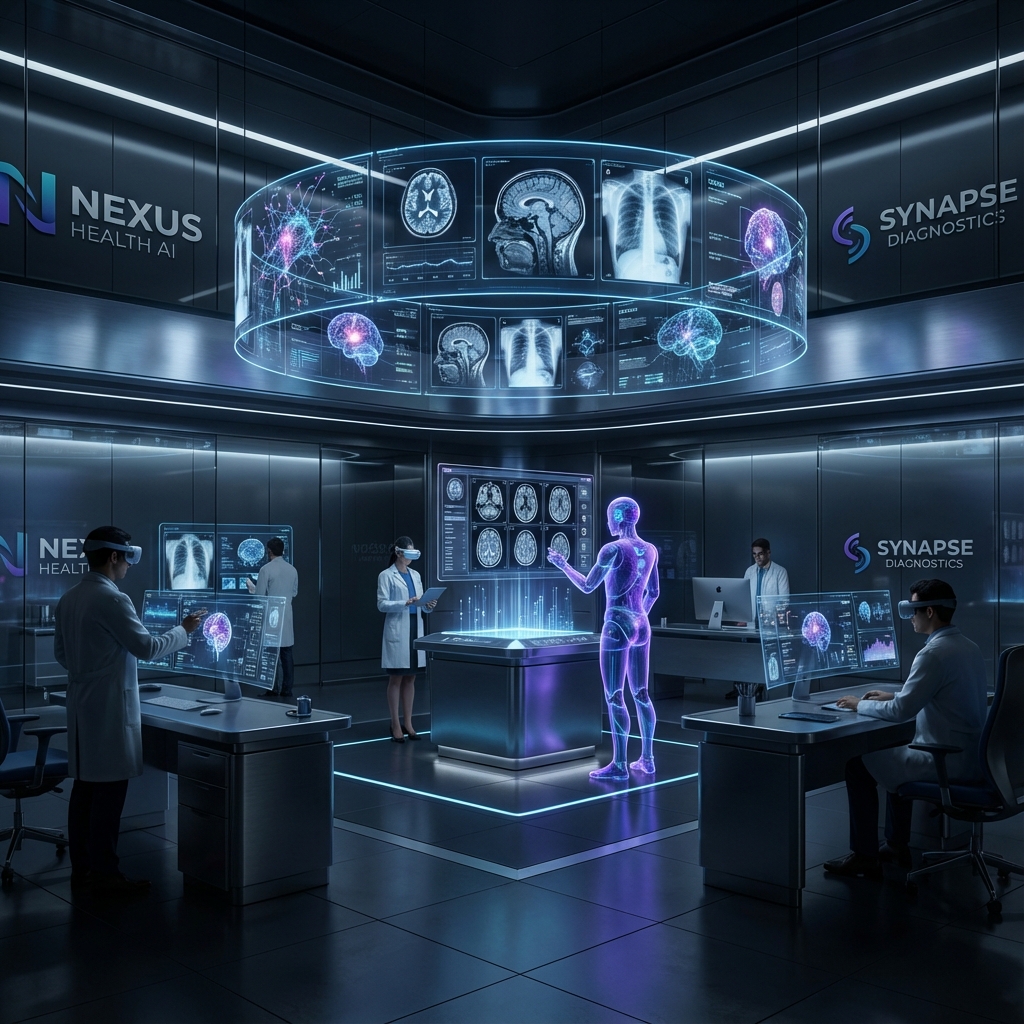
AI-Powered Medical Diagnosis System
Built a deep learning pipeline to help radiologists triage imaging studies, with clinician review retained at every step.

Personalized Recommendation Engine
A recommendation system over purchase and browsing history, with cold-start handling for new items and an offline evaluation harness, so a ranking change could be compared against the current one before it reached anybody.
Not sure a model is the answer?
Often it isn't. Tell us the decision you are trying to automate and we will say whether it needs machine learning or just better rules — before anyone writes a proposal.